Manford Primary School
Early Years Curriculum- Reception
The Early Years Foundation Stage
At Manford Primary School, our curriculum is designed to offer a balanced and enriching experience that nurtures confident, responsible and well rounded individuals. In the Early Years, we follow the national Early Years Foundation Stage (EYFS) framework, which supports children’s development from birth to five and lays the foundations for their future learning.
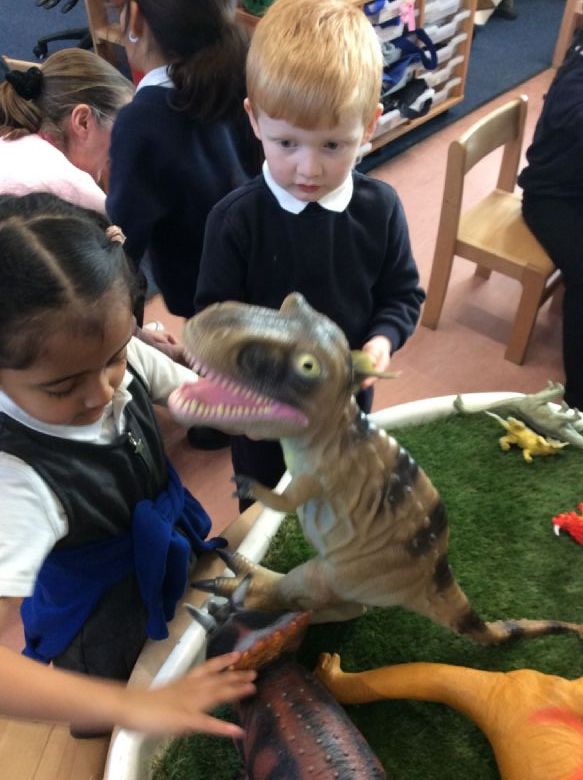
In our Preschool and Reception classes, children follow a carefully planned programme of play based learning experiences. These experiences support their development and ensure they make strong progress towards the end of Reception Early Learning Goals. We believe children learn best through active exploration and hands on opportunities, so our environment is designed to spark curiosity, independence and a love of learning.
We recognise that every child develops at their own pace. Our approach is flexible and responsive, enabling us to adapt to each child’s needs, interests and stage of development. Through our Early Years curriculum, we aim to nurture happy, curious and confident learners who are ready for the next steps in their educational journey.
The EYFS curriculum is organised into seven key areas of learning, grouped into two categories: the Prime Areas and the Specific Areas. Our curriculum plans can be viewed at the end of this page.
There are 3 Prime areas:
Communication and Language
We believe communication is the foundation for all learning. In the Early Years, we focus on developing children’s listening, speaking and understanding through stories, songs, high quality interactions and purposeful conversation. Children are encouraged to express themselves confidently, build new vocabulary and communicate their ideas in a supportive, language rich environment.
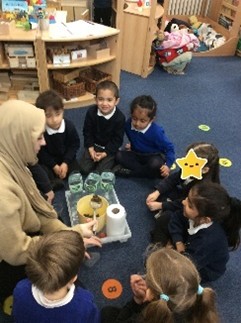
Personal, Social and Emotional Development
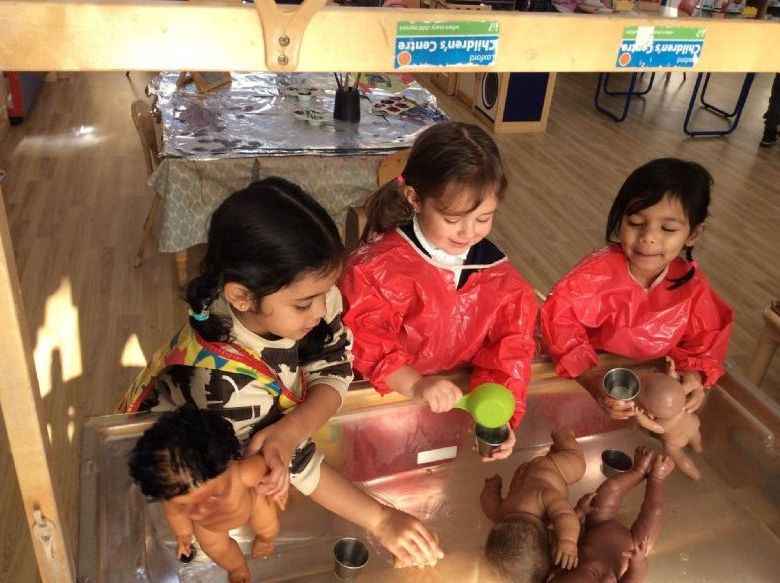
We place strong emphasis on helping children develop positive relationships, resilience and a secure sense of self. Through play, routines and modelling, children learn to manage their feelings, take turns, solve problems and show empathy towards others. We support children to become confident, independent learners who feel safe, valued and ready to take on new challenges.

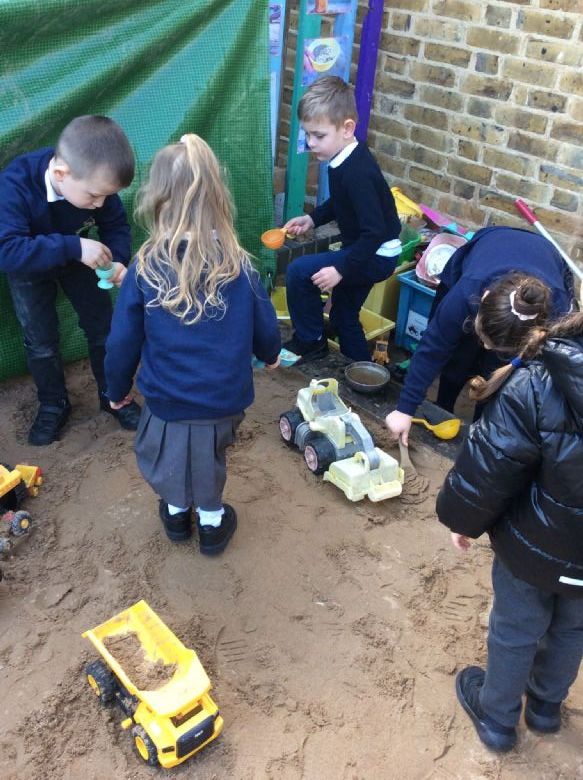
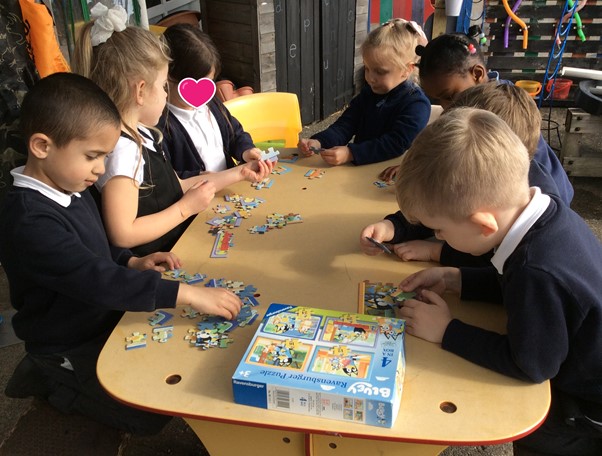
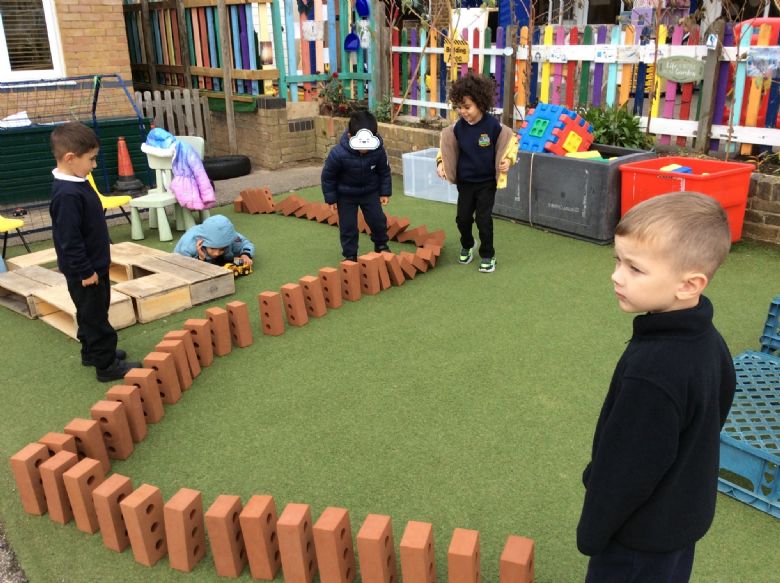
Physical Development
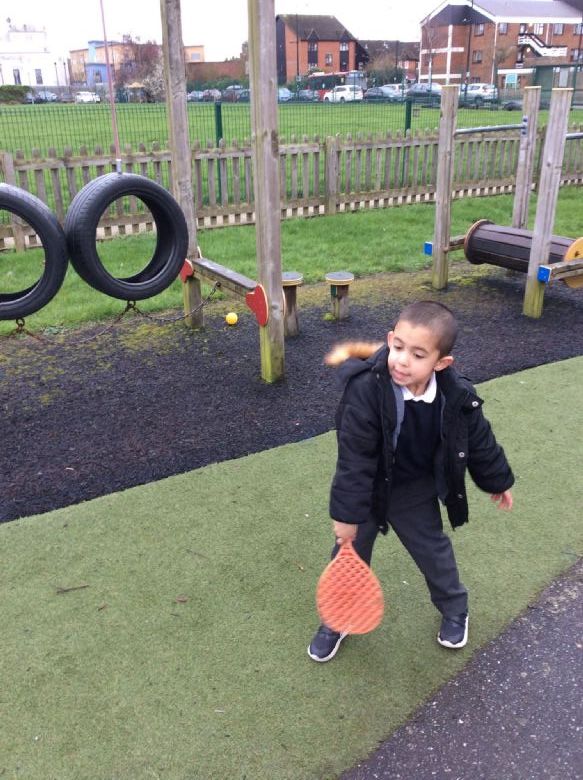
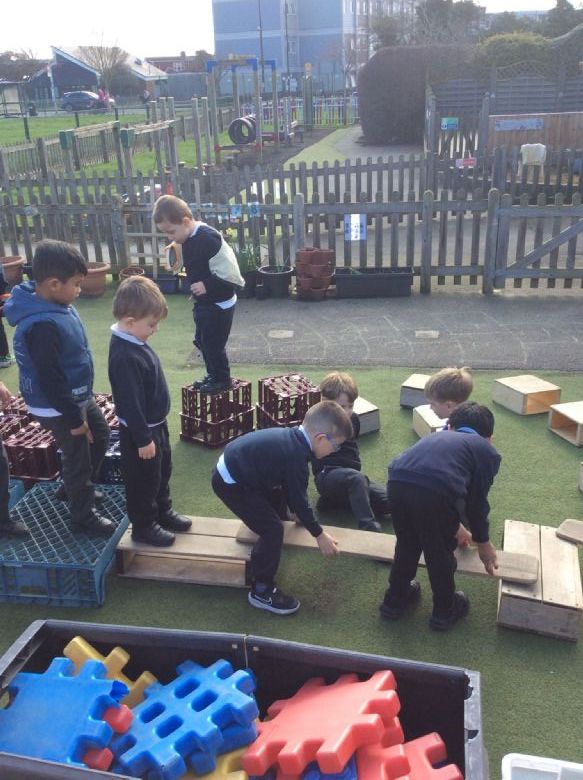
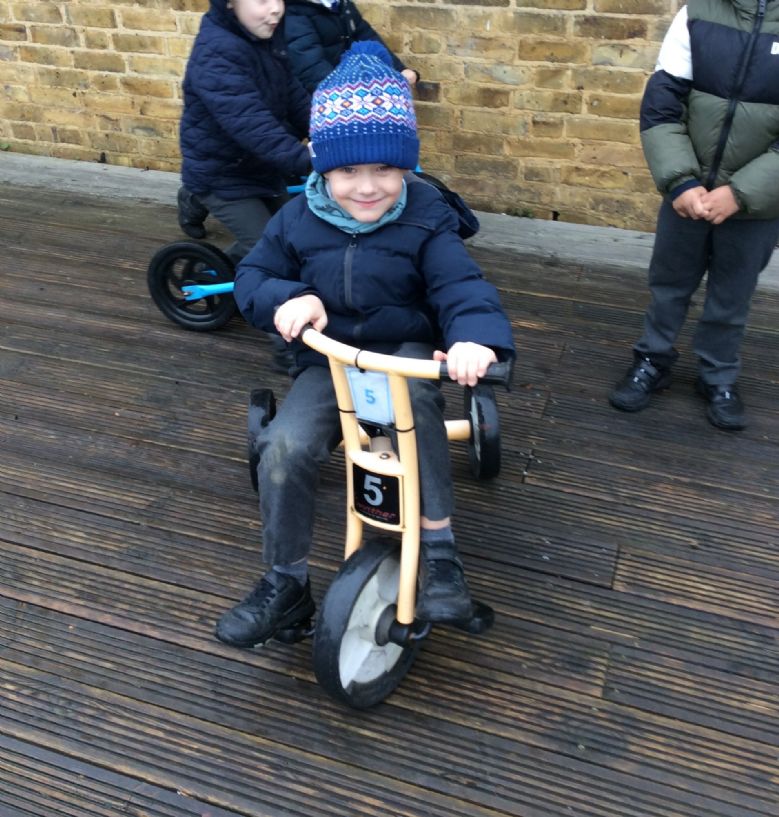
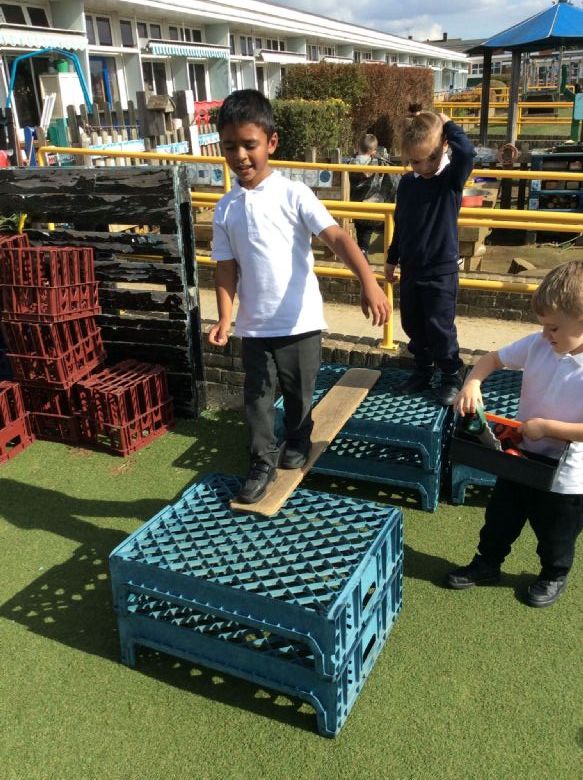
Physical development underpins children’s ability to explore, play and learn. We provide daily opportunities for children to develop both gross motor skills, such as climbing, balancing and moving with control, and fine motor skills needed for early writing, self care and independence. Our environment encourages active play, healthy habits and confidence in managing their own physical needs.
There are also 4 Specific areas, through which the prime areas are strengthened and applied:
Literacy
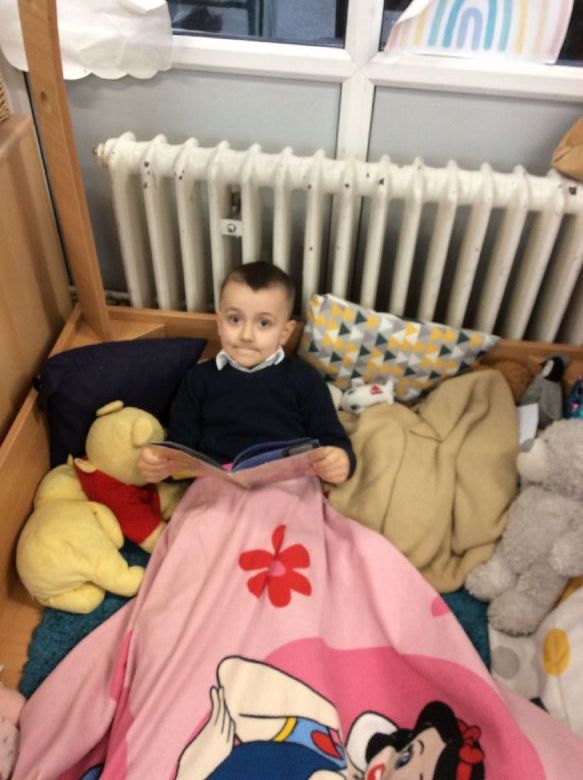
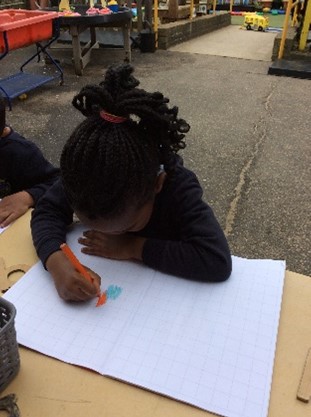
We foster a love of reading and writing from the very beginning. Children enjoy sharing books, retelling stories and exploring new vocabulary. Through phonics, mark making and early writing experiences, they learn to link sounds to letters and begin to write for different purposes. Our aim is to build enthusiastic early readers and writers who see themselves as capable communicators.
Mathematics
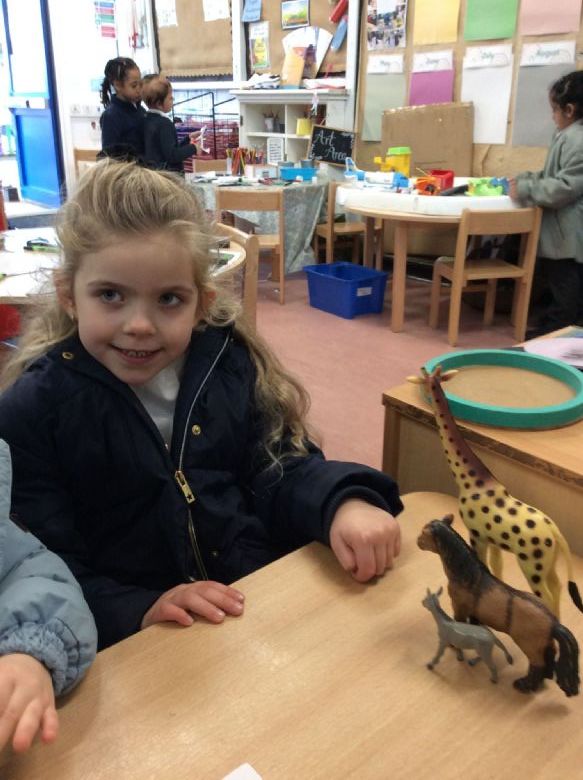
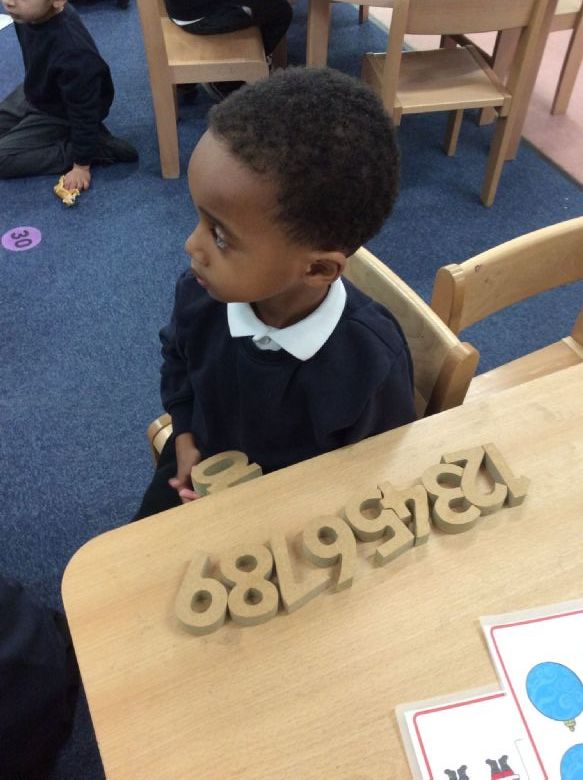
Our maths curriculum helps children develop strong number sense through hands on exploration, problem solving and real life contexts. Children learn to count confidently, recognise numerals, compare quantities and explore patterns. They also investigate shape, space and measures through practical activities. We want children to see maths as meaningful, enjoyable and connected to the world around them.
Understanding the World
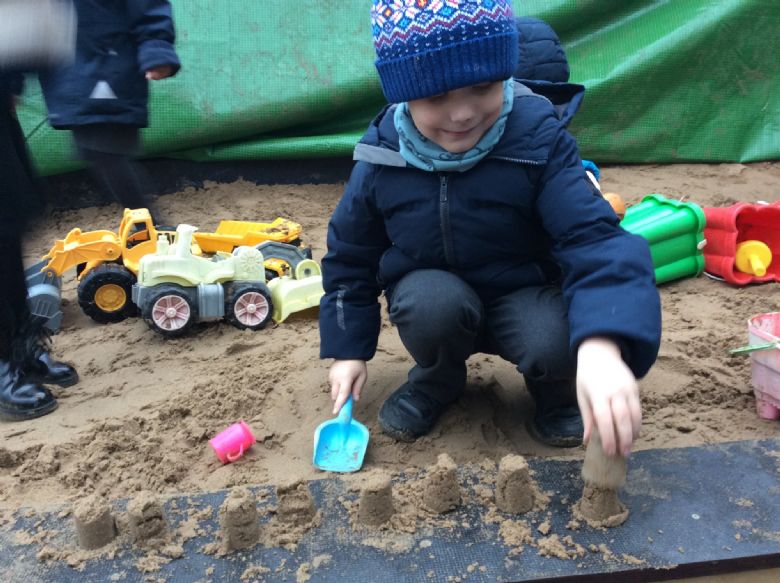
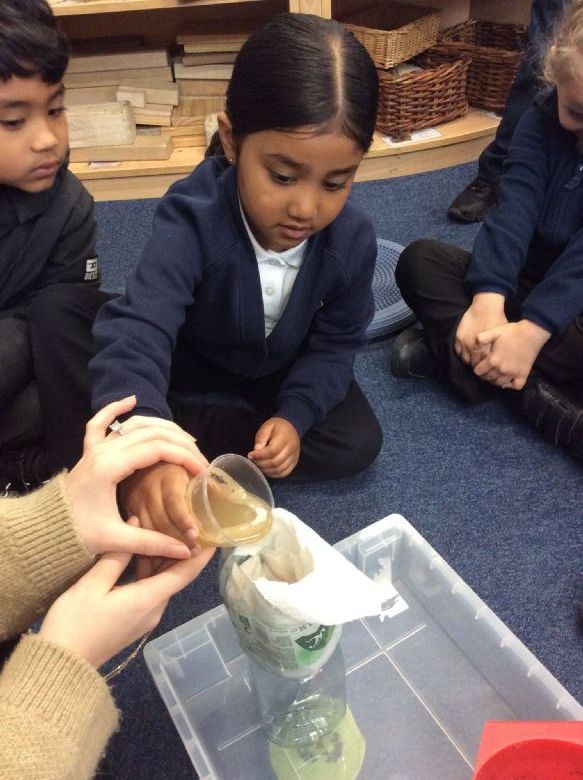
Children are encouraged to explore and make sense of the world around them. Through investigation, discussion and first hand experiences, they learn about nature, communities, cultures and technology. We help children develop curiosity, respect for others and an understanding of how things change over time. This area lays the foundations for future learning in science, history, geography and computing.
Expressive Arts and Design (EAD)
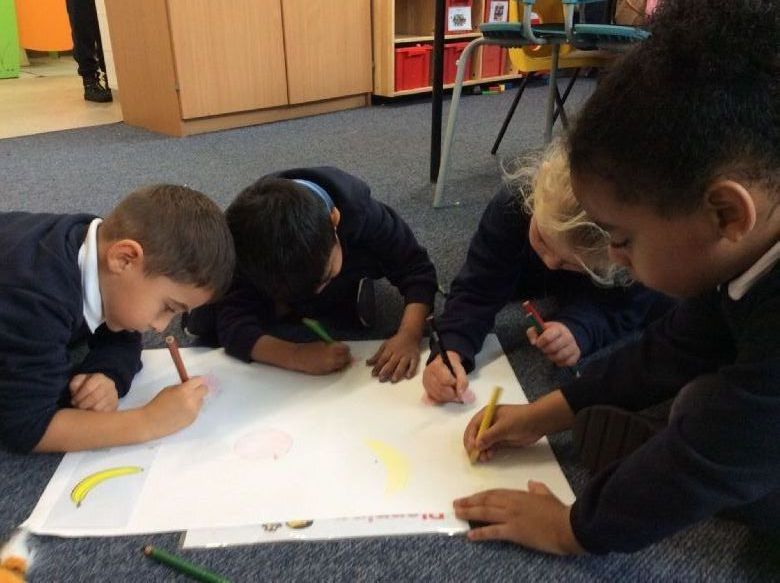
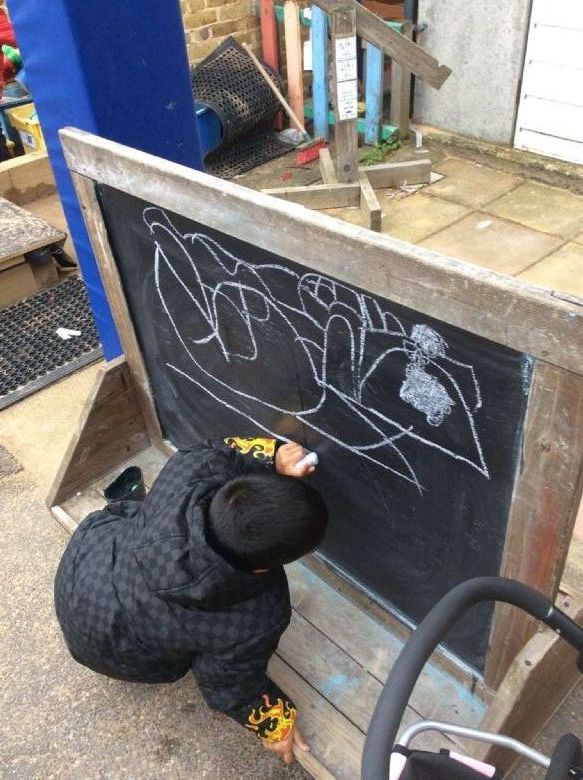
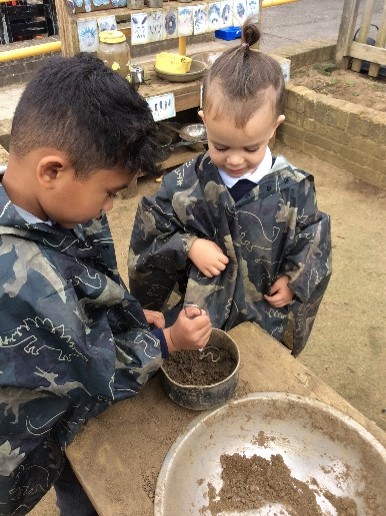
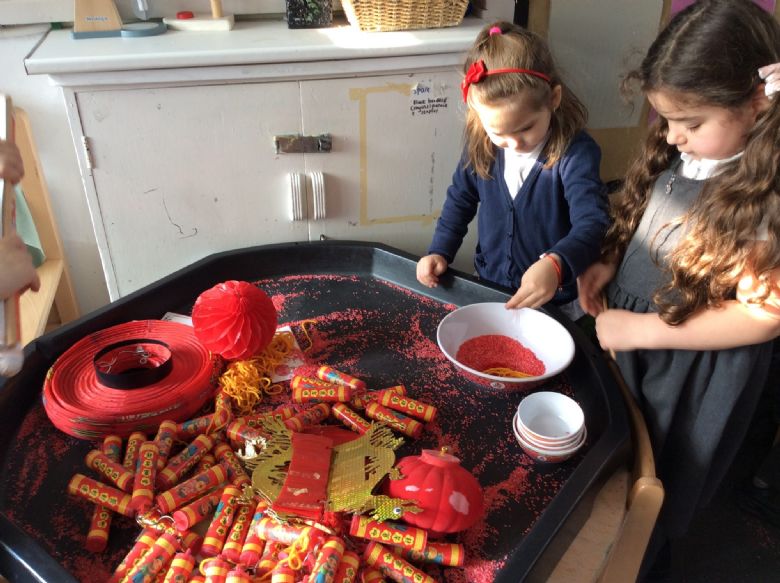
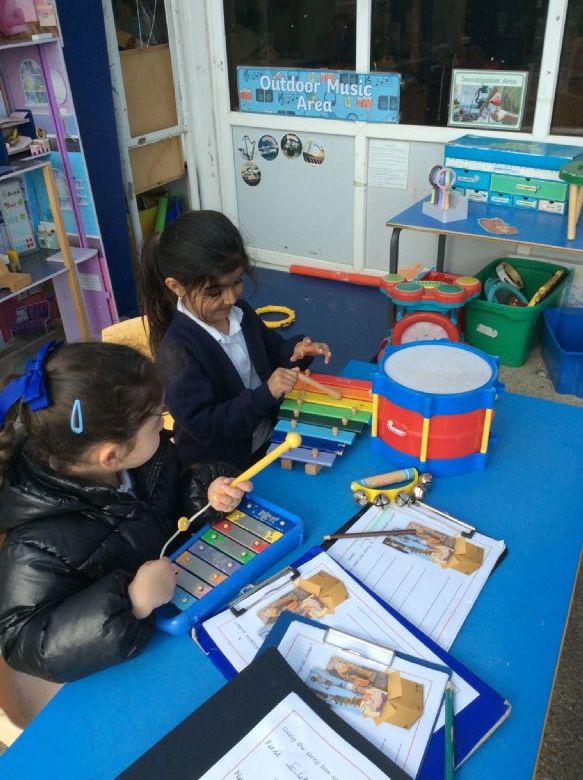
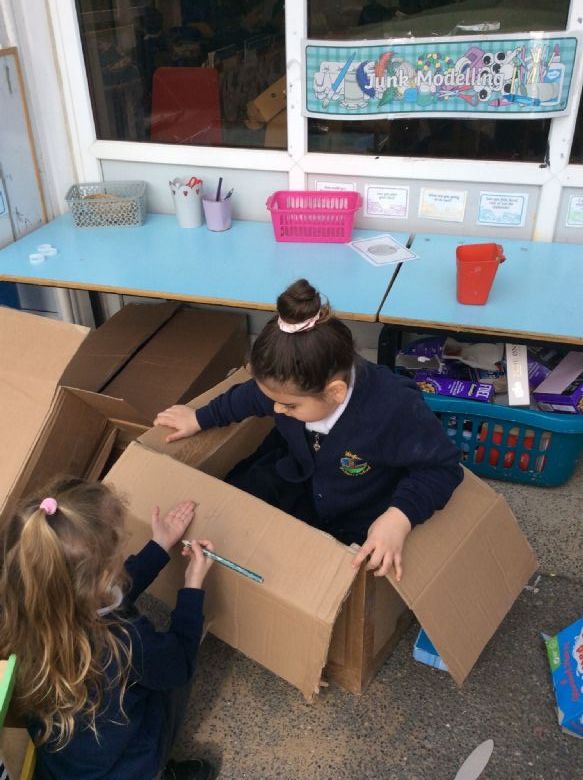
Creative expression is encouraged through access to various resources and media. Children are given rich opportunities to explore colour, texture, music, movement, role play and imaginative expression. They experiment with different materials and techniques, developing confidence to create and share their ideas. We celebrate individuality and encourage children to express themselves freely through the arts.
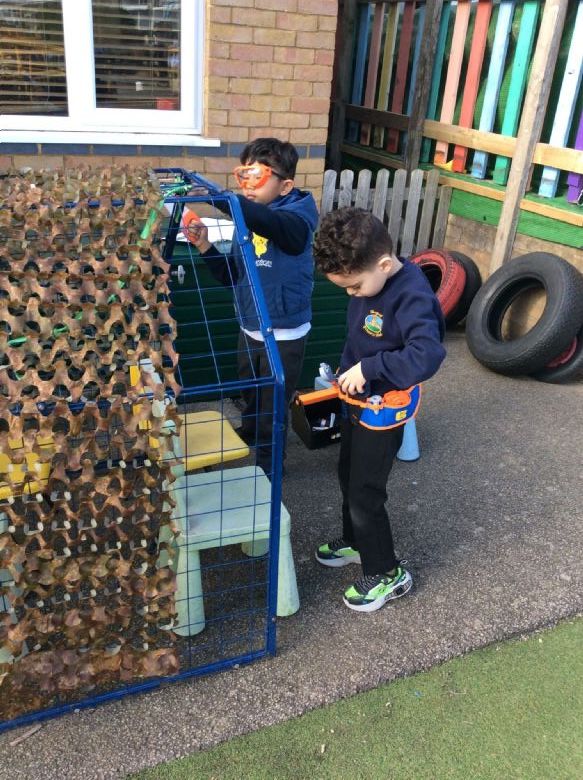
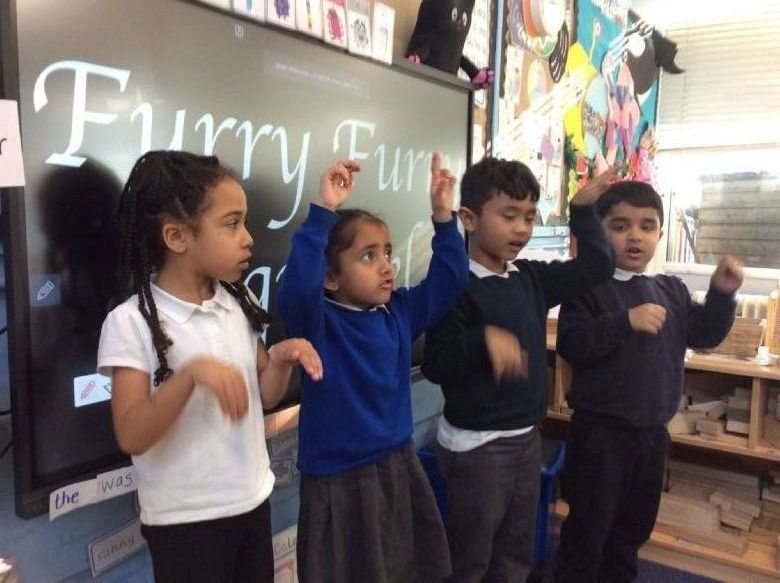
While planning and delivering activities across these 7 areas, we are also observing how children approach school life and we are supporting their development in the characteristics of effective learning, identified as:
Playing and Exploring
Active Learning
Creating and Thinking Critically
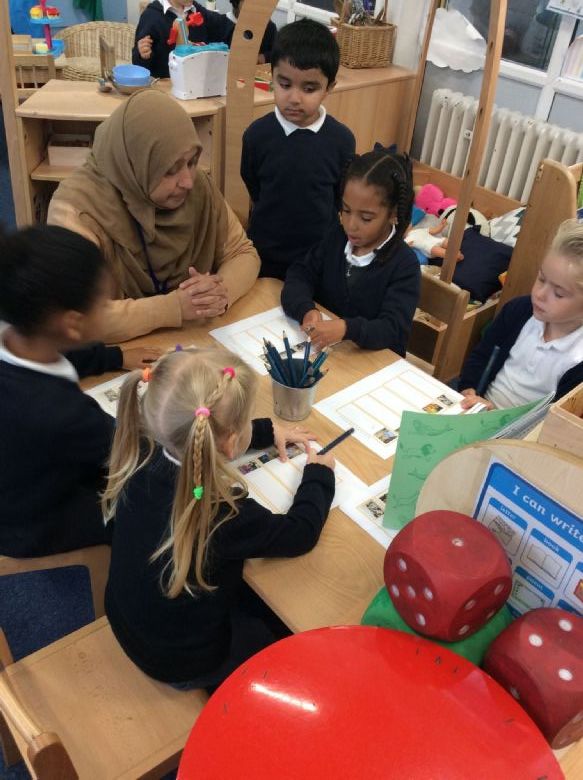
A typical day/session in our Early Years classroom will include some whole class activities and time for children to work in small groups or individually, either with the class teacher or learning support assistants, or independently. Children have extended opportunities to choose their own learning and explore the planned resources provided, both inside and outside.
Teachers organise teaching opportunities around themes that allow the children to make links in their learning. The themes are chosen based on the children's interests. Please see your child’s Google Classroom account to see what the children are learning about this term, and how parents can help.
Our Curriculum
Curriculum Intent
At Manford Primary School, our Early Years curriculum is ambitious, coherently sequenced and designed with clear progression, ensuring every child secures the foundational knowledge and skills they need for future learning. Rooted in the EYFS framework, our curriculum promotes communication, independence, resilience and curiosity, enabling children to become confident learners who can think critically, solve problems and express themselves effectively.
We are committed to providing high quality early education that reflects the needs of our community and supports all children, including those who may be disadvantaged or have additional needs. Through rich, meaningful experiences, we aim to build the cultural capital children need to thrive, broadening their understanding of the world and preparing them for success in Key Stage 1 and beyond.
Our learning environments and curriculum experiences are designed to nurture kind, responsible and self regulated individuals, ensuring children develop positive attitudes to learning and strong foundations for lifelong success.
Curriculum Implementation
Responsive Teaching and Strong Relationships
Our practice is grounded in high quality interactions, warm relationships and a deep understanding of each child. During the initial weeks, we prioritise children’s emotional security, helping them settle, form trusting relationships and confidently access the learning environment. Staff use careful observation, assessment for learning and professional judgement to identify children’s starting points and plan next steps.
Balanced and Purposeful Learning
Children learn through a carefully balanced mix of child initiated play and adult led learning, ensuring they have extended opportunities to explore, rehearse and embed new knowledge. Play is valued as a powerful vehicle for learning, enabling children to develop language, self regulation, collaboration and problem solving.
Well Designed Learning Environments
Our indoor and outdoor environments are intentionally planned to promote independence, sustained engagement and deep-level learning. Resources are accessible, purposeful and linked to curriculum goals. Enhancements are introduced to extend thinking, encourage perseverance and support children to revisit and build on prior learning.
Adult Led Sessions and Vocabulary Development
Short, focused adult-led sessions introduce new concepts, model language and support children to develop secure knowledge over time. These sessions prioritise vocabulary, early reading, early maths and sustained shared thinking, ensuring children experience high-quality teaching that moves learning forward.
Partnership with Parents and Carers
We recognise parents as children’s first educators. Strong, respectful partnerships ensure we share information, celebrate achievements and work collaboratively to support each child’s progress. Contributions from home are valued and used to inform planning and assessment.
Curriculum Impact
Our approach ensures children make strong progress from their starting points, developing the knowledge, skills and attitudes needed for the next stage of their education. Through ongoing, accurate assessment, we monitor children’s development and identify any gaps early, ensuring timely and effective support.
We aim for all children, regardless of background, need or circumstance, to achieve high outcomes across all areas of learning. By the end of Reception, children leave us as confident, articulate and independent learners with secure foundations for Key Stage 1. They demonstrate positive learning behaviours, strong communication skills and the cultural capital needed to succeed in the wider world.